Machado Returns to Venezuela Amid Shifted Power Dynamics
The opposition leader drove from Lara to Caracas after ten months in exile, returning to a country led by Delcy Rodriguez following the ouster of Nicolas Maduro.
By Jonathan Cooper ·
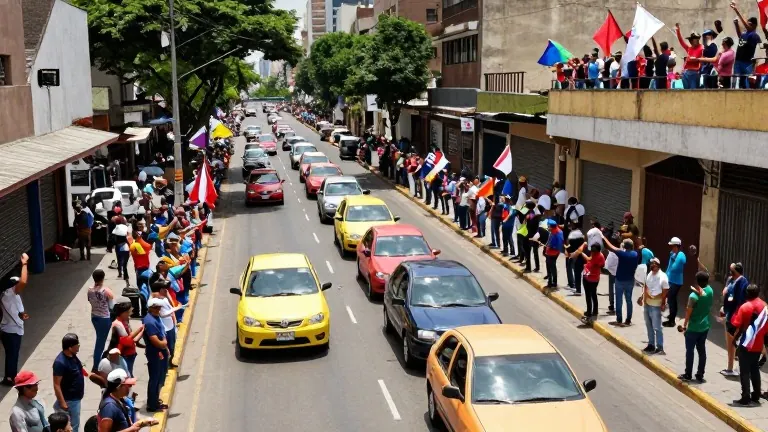
Maria Corina Machado completed a cross-country drive from the western state of Lara to the capital, Caracas, on Saturday. Her arrival marked her first return to Venezuelan soil in ten months. The journey differed sharply from her departure in December of last year, when she left under cover of darkness to accept the Nobel Peace Prize in Oslo.
Machado had previously failed to re-enter the country on multiple occasions. Both the Venezuelan government and the Trump administration blocked her return, with the latter stating that the timing was not appropriate. That stance has now reversed. The Trump administration recently signed a major oil agreement with Venezuela that grants the United States a 100-year concession over 65 billion barrels of crude oil. This deal was negotiated with North American Blue Energy Partners, a private firm led by Alejandro Betancourt.
The political landscape changed drastically during Machado's absence. President Nicolas Maduro was removed from power by US troops on January 3. He was transported to New York, where he faces charges for drugs, weapons, and torture, all of which he has denied. Delcy Rodriguez, Maduro's former vice-president, assumed the presidency. The new administration has established a diplomatic relationship with Washington that contrasts with the hostility seen during the tenures of Hugo Chavez and Maduro.
Machado has criticized the recent oil deal, directing her remarks primarily at the Rodriguez government and Betancourt. She avoided direct criticism of President Donald Trump, to whom she donated her peace prize. Trump has publicly praised Rodriguez, describing her as wonderful and a terrific person. This assessment stands in contrast to his previous characterization of the Venezuelan administration as narco-communists.
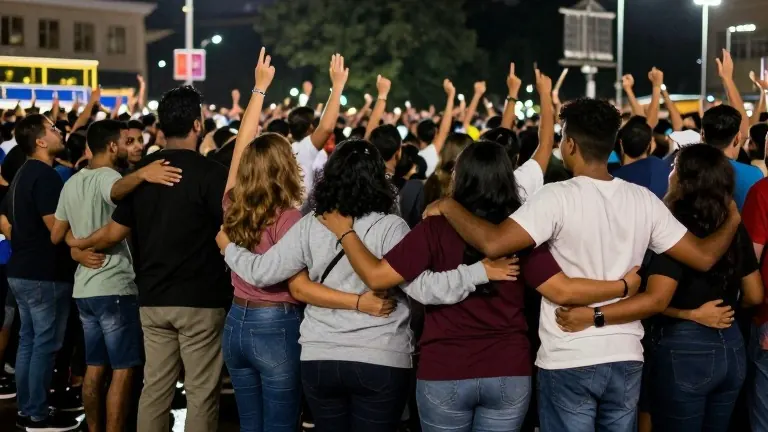
Supporters greeted Machado's caravan with loud celebrations in Caracas. Gregory Noriega, 20, a fan of the Vente Venezuela movement, described Machado as the indisputable leader of Venezuela. Hilary, 18, viewed the return as a step forward in the electoral process. Manuel, a friend of Hilary, noted that the country appeared united behind Machado following recent double earthquakes.
Political analyst Beningno Alarcon identified Machado's return as the most important political event since January 3. He stated that her presence on the ground provides the opposition with solid leadership, moving beyond the limitations of exile. Alarcon pointed to data from the think tanks Polis and Nexo, which found that Venezuela experienced three times as many street protests in the first nine months of this year as in all of 2025. The study also indicated that the repression of these protests decreased by more than half.
Secretary of State Marco Rubio attributed Machado's safe return to US-supported reconciliation talks between the government and the opposition. Machado still faces domestic charges of treason and conspiracy of insurrection, accusations her supporters have long called politically motivated. She made at least eight prior attempts to return by air and sea before receiving the administration's approval.
Delcy Rodriguez characterized the return as a show and noted that state television largely ignored the event. However, Rodriguez indicated a willingness to hold talks with Machado. Reports suggest that Secretary Rubio has been directing major decisions in Venezuela through regular WhatsApp calls to the interim president. Trump has made clear that Washington expects full submission and malleability from Rodriguez on issues such as energy.
Machado now operates with the implicit blessing of the Trump administration. Rodriguez, seeking to maintain a harmonious relationship with Washington to avoid her predecessor's fate, is unlikely to challenge Machado's presence. The opposition leader faces a changed political environment where public mobilization is more common and repression is less severe than in recent years.
Source: BBC News